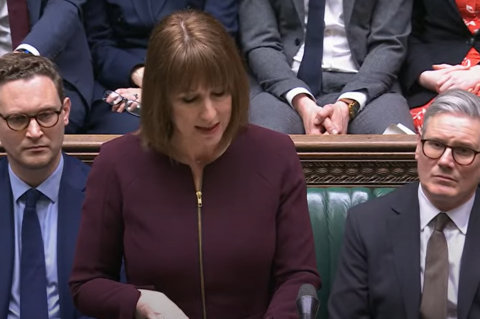
All businesses, including all of our members and even ACS itself, have to make tough choices every year about where to allocate finite resources. There are some things that can be predicted, but the last few years have told us that forecasting is incredibly tricky with so many moving parts. The decisions we make have an impact each year on those around us, but multiply that by a factor of several thousand and you’ll start to come close to the hardest and most consequential decisions facing the Chancellor Rachel Reeves in finalising the Government’s spending plans for the next three years, which she shared this week to predictable criticism in much of the media and among the political and economic commentariat. These are decisions about if cancer units should have more resources, how many more police should be on the streets, or how much money should go to the nation’s defence. The job is made harder by every sectoral and campaign group calling for more money for their priority areas, which is their job.
I start with this not to excuse or patronise the Chancellor, who did after all campaign to get this responsibility, but to put some context around her decisions resources for enforcement: the police, trading standards and HMRC. Convenience retailers have a clear interest in seeing more money spent in these areas. Without significant new resource including new officers, the (I believe sincere) desire of senior police officers to investigate every incident of retail crime and take prolific offenders out of the system will not be delivered upon. Without effective HMRC activity at the border and in communities, illegal and non-duty paid tobacco and alcohol will continue to be traded.
There was one spending announcement that could help: £80m for smoking cessation and trading standards enforcement of tobacco and vape rules. I want to see more about how this is allocated, but we should welcome this as a step in the right direction. Does it indicate a renewed commitment to enforcement and supporting responsible retailers? Let’s see how this decision plays out behind the initial announcement.
The baseline position, however, is hollowed out institutions that underpin the rule of law and the way we live, work and do business together. I’m not peddling a single explanation here – depending on your perspective you could blame Osborne-inspired austerity, the bill for Covid, Brexit, the financial crisis of 2008/9, public sector waste, or some combination of these – but there are now too many parts of the state that don’t work. How confident are the police to investigate shop theft if they think the courts aren’t resourced to deal with offenders, and that the option of an effective prison sentence is compromised by lack of spaces in the penal system? How can more creative interventions to tackle root causes (most notably addiction) be used when social services are overstretched?
All this matters not just to the retailers who are victims of thieves, violent criminals and rogue traders. Proper enforcement from the streets to the courtroom is vital to protect communities. People are seeing the social contract, basic norms of compliance and respect, being undermined every day. If the obviously dodgy vape shop or nail bar selling single cigarettes is trading with impunity, or was shut down just to re-open weeks later, or if the local shop is being looted weekly without any sign of the perpetrators being investigated, then what’s the point of having rules in the first place? People give up reporting crime, just as many of our members did years ago. They lose faith that the state can function on their behalf.
If we’re in the business of national renewal, policing and enforcement should be at the front of the queue for the funding to deliver this. I fear that the Chancellor is not giving this the right priority, and the implications of that will be serious and far-reaching.