Rising operating costs are hitting local shops harder than ever.
We're calling on the Chancellor to recognise the real pressures facing convenience retailers – and we need your voice behind the campaign.
Get involved below.

Ask the Chancellor to #Checkout the cost of trading for local shops. Our template email sets out the scale of rising operational costs hitting convenience retailers and the policy changes that would make a real difference. 
The template email calls on the Chancellor to:
- Ensure the business rates system supports retailers to invest and grow
- Consider the impact of rising labour and energy costs on retailers' bottom lines
- Ensure the Deposit Return Scheme is proportionate for retailers and doesn't penalise those hosting a return point
- Take a cautious approach to future rises in employment costs
Click below to make your voice heard - this takes less than two minutes, and we encourage you to personalise your message.
Send your email to the Chancellor
What We're Calling For
Local shops have faced sustained increases in operating costs that are affecting their ability to invest, maintain essential services such as Post Office counters and bill payment facilities, and continue serving their communities.
A cautious approach to rising employment costs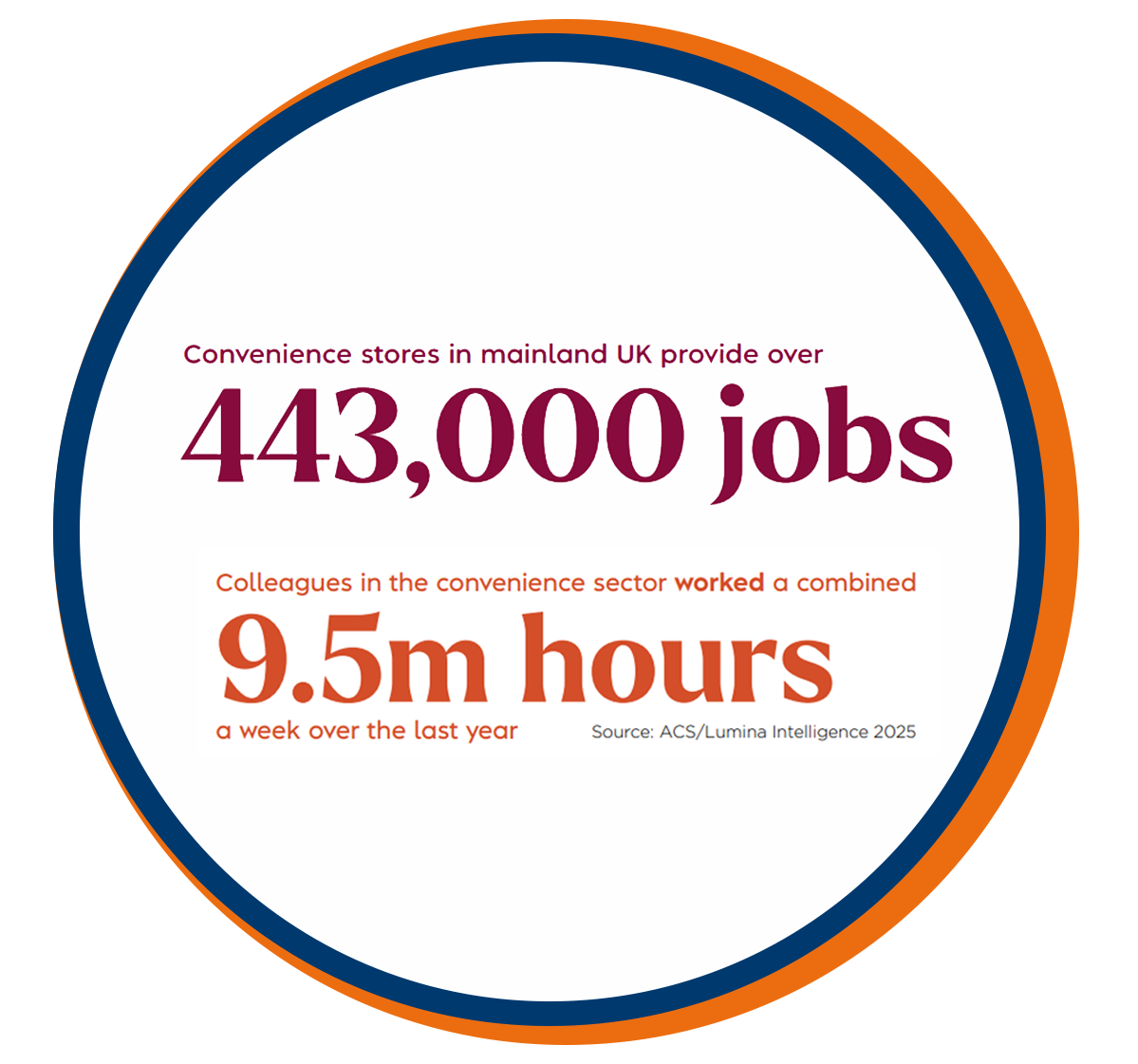
Retailers are having to make difficult decisions in response to rising employment costs. Following last year’s NLW increase, more than half of retailers reported taking lower profits or absorbing the costs, increasing prices, and reducing staff hours. Hikes to Employer National Insurance Contributions and changes to Statutory Sick Pay are all pushing up the cost of employing people in local shops.
ACS is calling for:
- The Low Pay Commission to take a cautious approach to future NLW increases and maintain a balanced remit that accounts for the impact of wages on employers and job creation
- NLW rates to be based on objective analysis of economic data, not government targets linked to median earnings
- Legislative measures that enhance workforce flexibility without overburdening businesses with administrative processes
Meaningful reform of business rates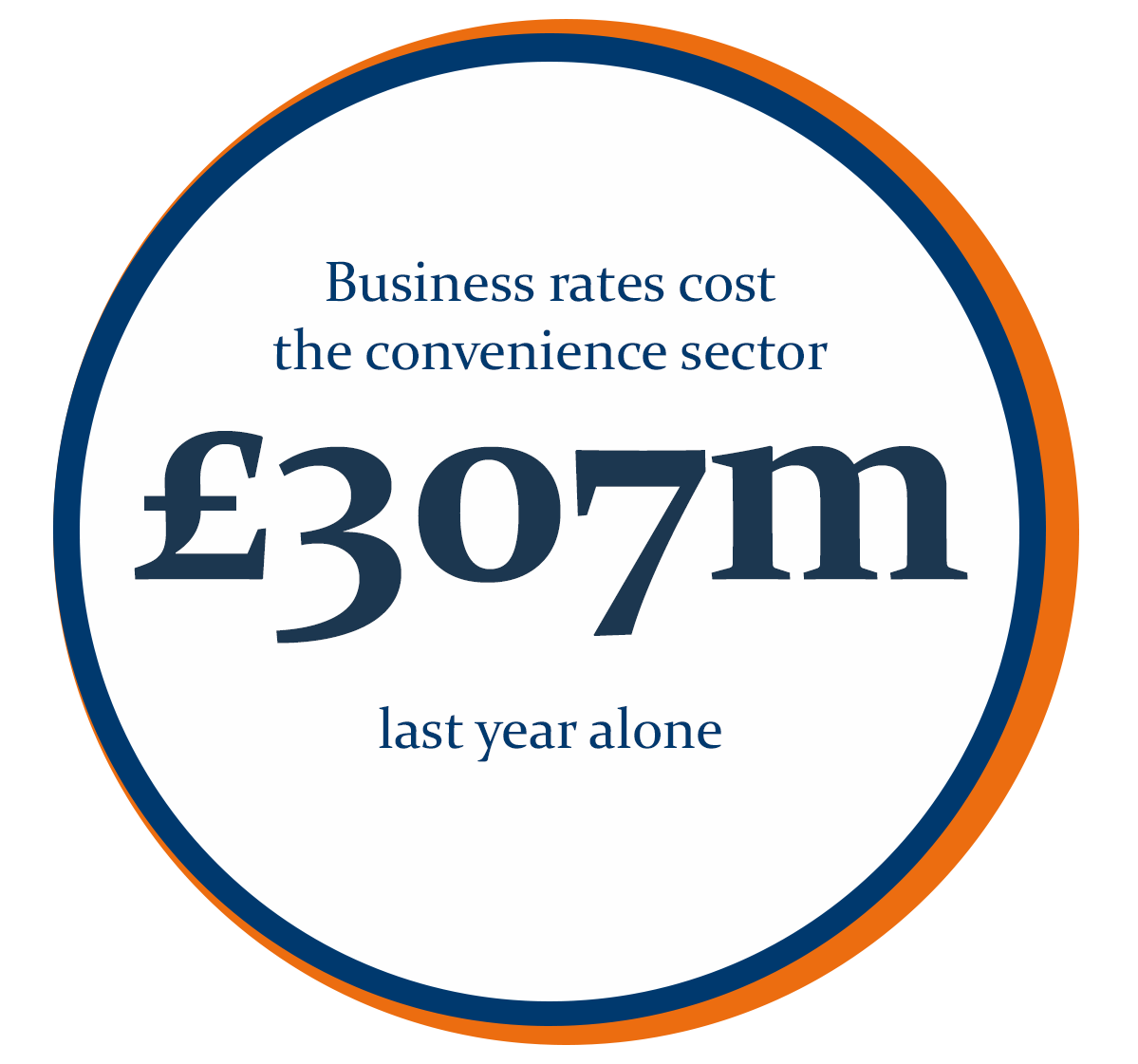
Business rates remain one of the biggest fixed costs facing retailers, costing the sector £307m alone last year. Independent retailers, particularly those operating on petrol forecourts, are the hardest hit from the changes last April. These businesses benefited proportionately more from reliefs that are now withdrawn and faced sharp increases despite the new RHL multiplier and transitional relief package.
The new retail multiplier was set at just 5p below the standard rate – well short of the 20p reduction ACS called for – and the use of transitional relief only delays, rather than prevents, further year-on-year rate rises.
ACS is calling for:
- The Budget multiplier and relief package to be set at a level that genuinely incentivises investment and supports small businesses
- Wider reform that recognises the role of high streets, the pressures on small businesses, levels the playing field with online competitors, and incentivises investment in premises (see ACS' Five Principles for Business Rates Reform)
Reduce the burden of energy costs 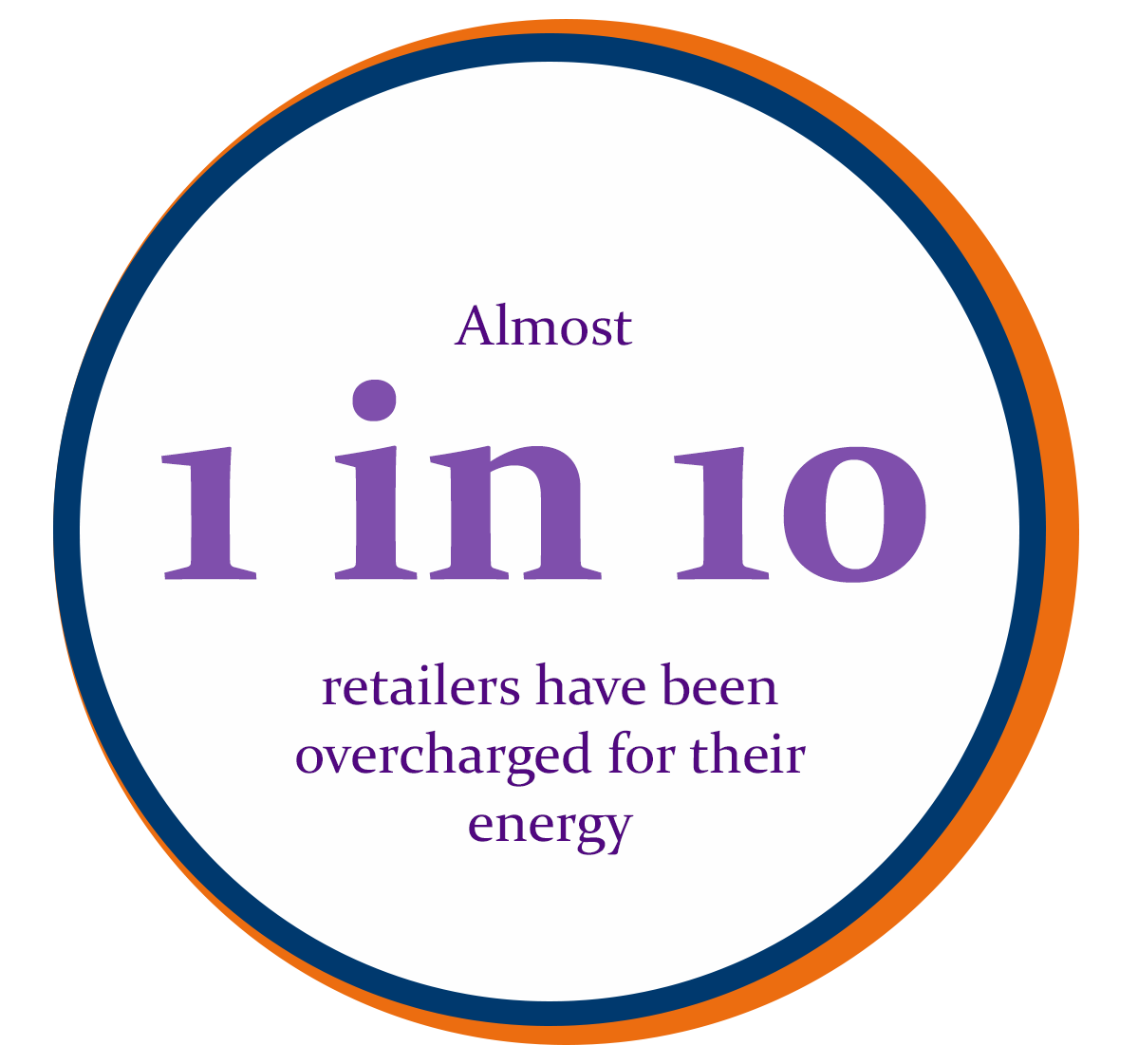
Wholesale energy costs continue to rise, and retailers lack the protections that would allow them to manage their exposure. 9% of independent retailers have been overcharged and 6% have faced above-inflation rises in energy costs. Retailers engage with energy suppliers on essentially the same basis as households, but with far weaker consumer protections.
ACS is calling for:
- A framework that prevents retailers from being tied into long-term energy contracts when wholesale prices peak, drawing on the lessons of 2022
- Full implementation of the Trust and Transparency Charter – including standardised, upfront disclosure of the full cost of electricity, enforceable rules on sales and pricing, simpler switching and genuine supplier choice, and stronger protections for SMEs
A Deposit Return Scheme that works for our sector
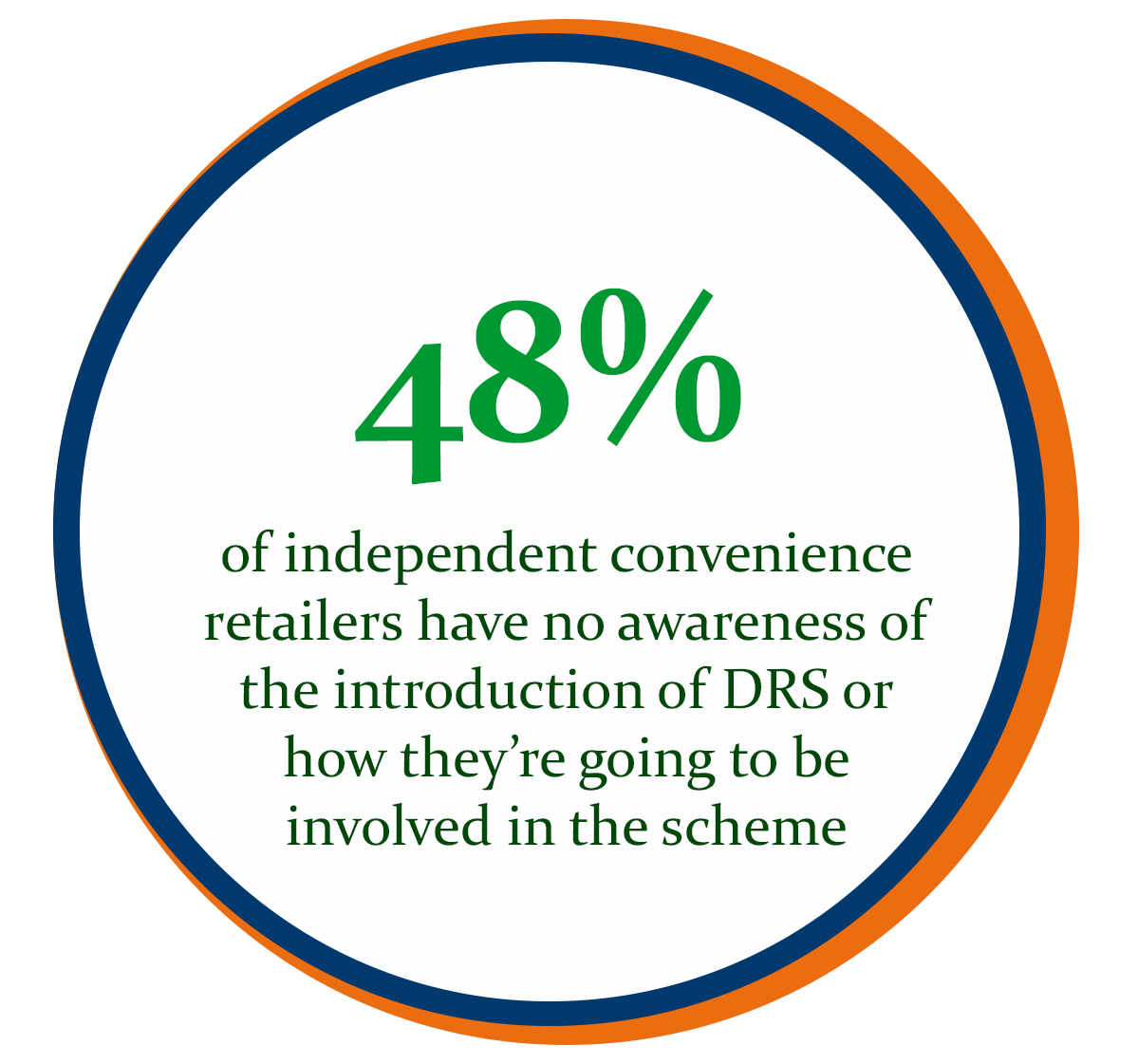 As preparations for the Deposit Return Scheme continue, it is essential that the scheme is clear, workable and genuinely cost neutral for local shops. While we welcome the intention to offer additional grant support for local shops, this must not detract from the fundamental requirement that DRS should operate without imposing additional costs on retailers. Ensuring cost neutrality will be critical to the successful delivery of the scheme and to securing the confidence and participation of local shops.
ACS is calling for:
- A cost‑neutral retail handling fee that covers all operational costs for retailers.
- Fair and proportionate exemption criteria for retailers where hosting a return point is not practical.
- Access to grants for small retailers looking to be part of the scheme by hosting a reverse vending machine