Forecourt retailers face the same retail crime challenges as the rest of the convenience store industry, but they also have the added burden of fuel theft from their sites.
Fuel theft is primarily made of two types offences:
- Drive offs – where the customer fills their vehicle up with fuel and drives straight off the forecourt without making an effort to pay. The police often refer to this as bilking.
- No means of payment – where the customer fills their vehicle up with fuel and claims to have forgotten their means of payment. This may be genuine, but could be one of a number of offences by the same individual and can be classed as a criminal offence of fraud.
ACS has developed crime guidance which outlines the ways that forecourt retailers have found successful in preventing fuel theft and managing this ongoing issue.
Preventing Drive-Offs
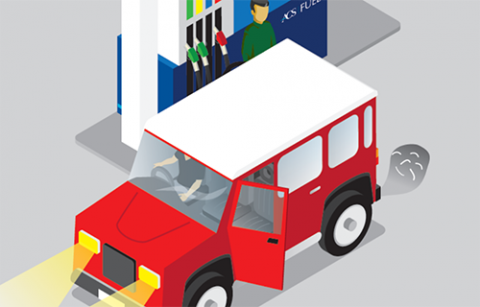
Fuel thieves often prioritise three things when committing fuel theft: concealing their identity, concealing their vehicle identity, and making a quick getaway. Be aware of any customers who are concealing their face with a hood, hat or helmet, or have removed, covered, or tampered with their license plate. Fuel thieves also want to prioritise making a quick getaway, so keep an eye on any cars with doors open, or with a driver that remains in the vehicle while the tank is being filled.
Managing No Means of Payment
Sometimes customers genuinely forget to bring payment with them for fuel, but as long as you get the right information from them this should reduce the risk of non-payment. You should ensure you get the customer’s name, address and verify their car registration number. This procedure and documentation should be well established amongst all staff and easily accessible from the till, and adopt industry standard procedures.
Follow these top tips for preventing and managing no means of payment:
- Ask all customers if they have any fuel, as this prevents customers from claiming they forgot to pay or weren’t asked.
- Get customers on CCTV as this helps police inquire at a later date if they fail to return and pay, or if they are a multiple offender.
- Keep the date in mind, as evidence suggests that no means of payment incidents are more likely to occur at the end of the month closer to payday.
You can download a PDF of our fuel theft guidance here. For more industry resources, visit https://www.acs.org.uk/crime-report/preventing-fuel-theft