I hope one of the things you associate with ACS is a positive outlook on our industry. Of course we have to balance that with reflecting the sometimes harsh realities of running convenience stores, but our top-line narrative is that our sector is relevant, resilient and adaptable, we want and need help and the right environment to flourish. Goodness knows this business isn’t for the workshy or fainthearted, but we back our members to be a part of the social and economic fabric of this country for generations to come. Let me know if you feel this doesn’t align what you hear us communicating in our events and outreach!
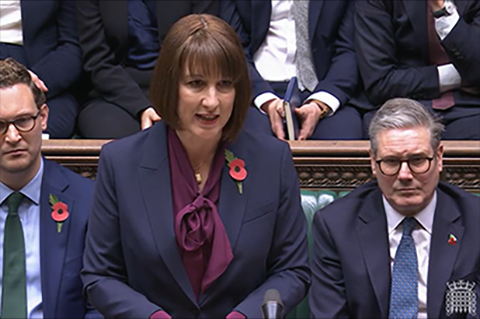
Writing the day after one of the most consequential and, for businesses, brutal budgets of recent times, that narrative and perspective is being stretched to the limit. When I spoke with officials in government departments yesterday, I stopped short of forecasting mass closures of convenience stores - history tells me that won’t happen and if it does, the process will play out over a longer period of time. However, I did predict that some groups would cull their worst performing stores, and some independents on the edge of viability would become more vulnerable. More likely, services with marginal returns will be cut back or removed.
The Chancellor’s mitigations for businesses were targeted at the smallest enterprises, and we should recognise that the increased employment allowance and retention of 40% of the retail, hospitality and leisure rate relief will offset increased costs for single site operators to some extent. For chains of stores, however, there’s very little help, and once a retailer operates larger store with more colleagues, or two stores, they’re probably well in the red.
We must consider the broader context for this Budget. Thus far, I’ve discussed only the measures announced on 30 October, but these are overshadowed by the 6.7% increase in the National Living Wage. While this aligns with the government’s stated policy, it is still an eye-watering cost for businesses like convenience stores where labour costs are their biggest expense. Further employment legislation now before Parliament will add to these costs, as well as the administrative burden of creating and maintaining jobs.
Legislation on vaping, much of it poorly enforced, allows legal operators to be outflanked by illicit traders and impacts sales and margin opportunities. Combine this with the cost of crime – while it was encouraging to hear the Chancellor address this, tackling this problem is about policing not policy – and generally tough trading conditions, and it becomes clear why retailers might feel downbeat about 2025. It is hard to see retailers committing to significant new investments when the potential returns seem difficult to achieve.
Does this cause me to revise our mindset and narrative about the convenience sector? It certainly drills home to me that 2025 will be challenging, and we must confront that reality head on. But are convenience stores still relevant, resilient and adaptable? Yes, and I’m backing our members to find a way through. I just hope the government doesn’t look back a year from now and see under-invested and under-staffed stores in the communities that need them the most.
You can see our cost analysis in our press release and hear more of our analysis in The Local Shop Podcast. Please tell us about the impact of these measures on your business – hard data, stories and the difficult choices you are making, We need this to build a stronger case for more support.